Online Photography Workshops
Exposing Film By Eye
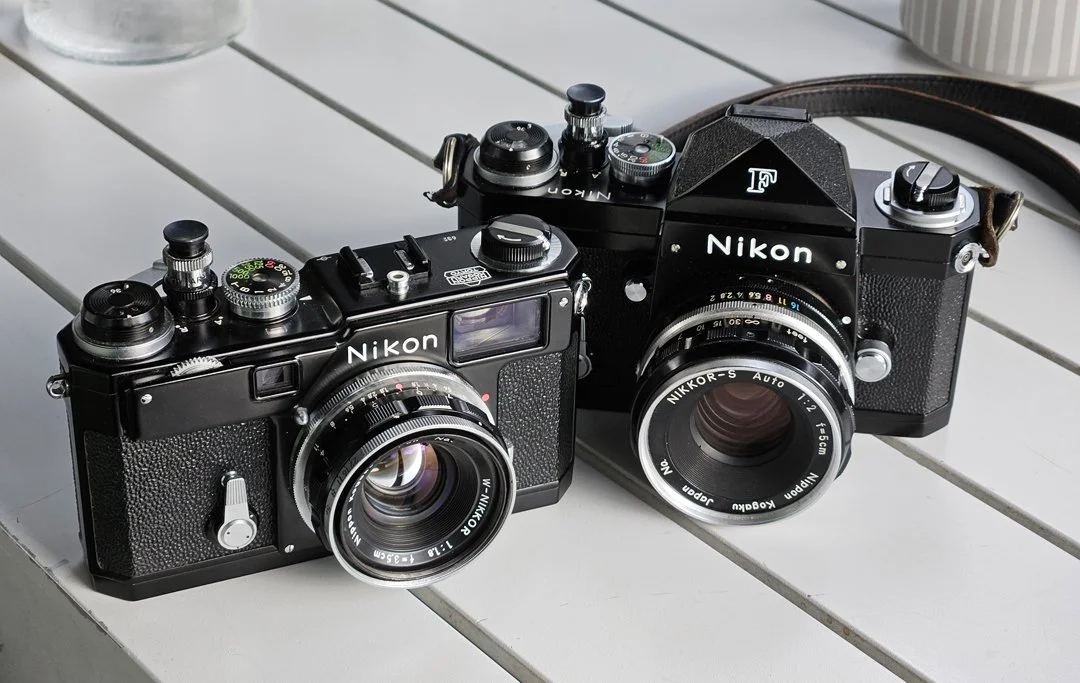
Real freedom in photography comes from not having to reference a light meter before making an exposure. On the street, being tied to a meter can slow you down and hinder your ability to respond freely to your environment. Having used fully manual film cameras to create my works, I share my self-taught methods for exposing film by eye, breaking it down into simple steps to give you predictable, repeatable results in your own work.
Moving Beyond The Sunny 16 Rule
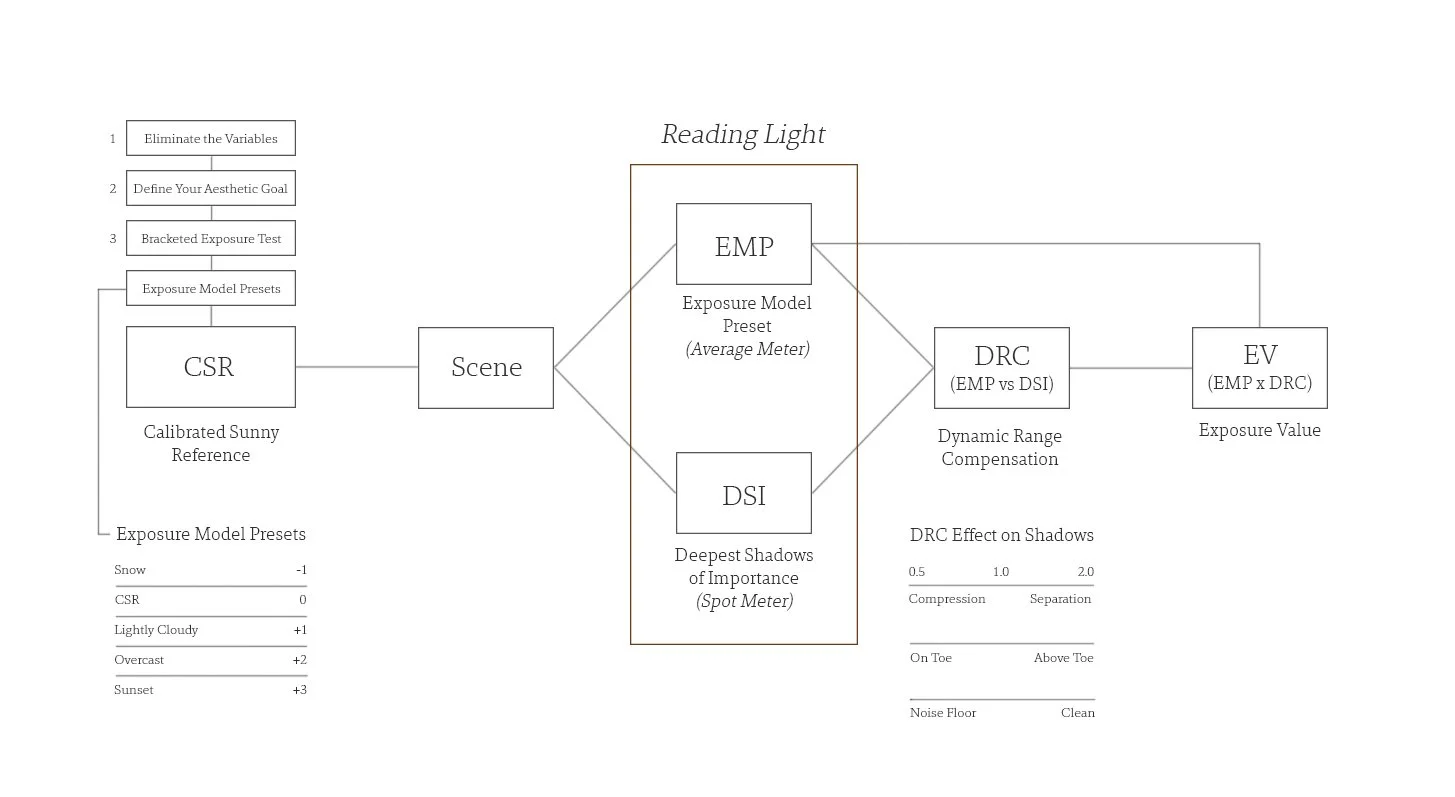
Flowchart of the Calibrated Sunny Reference Exposure Model for Negative Film
The Sunny 16 rule is a common starting point for anyone learning to expose film by eye. However, it is a rather limited exposure model that uses lighting condition presets to determine exposure value without taking into consideration the dynamic range of a scene or numerous other variables which can impact the accuracy of your exposure.
The exposure model I use is an evolution of the Sunny 16 Rule which attempts to solve its shortcomings while providing a more accurate and reliable way of exposing by eye. It begins with a calibration process comprising three main stages, as well as a method for reading light which trains the photographer to not only observe the average luminance of a scene, but also the deepest shadows of importance. Further, the model incorporates Dynamic Range Compensation to ensure that these shadows remain above the toe of the film characteristic curve at all times.
The below video shows a brief introduction to my exposure model, touching on the initial three stages of the calibration process;
Eliminate the Variables
Define Your Aesthetic Goal
Bracketed Exposure Test
Workshop Format / Requirements
This one-on-one workshop is carried out over conference call using screen share to quickly and easily share learning materials and photographic content. It is broken up in to 3 separate sessions, each with specific tasks given at the end of each session for you to complete before the next session.
On the final session, you will receive a special ‘one roll’ assignment which will require you to draw upon the lessons learnt during the workshop to independently determine exposure for each of the 36 frames by intuition alone, later to be assessed and feedback given via email.
Each participant is expected to have access to the following:
Video conferencing software such as Google Meet
Film camera (35mm or 120)
5 rolls of a negative film of your choice (C41 or B&W)
Film developing services (self developed or film lab)
Film scanning (ideally full-frame to reveal the film base surrounding the exposures)
Preferred Scanning Format
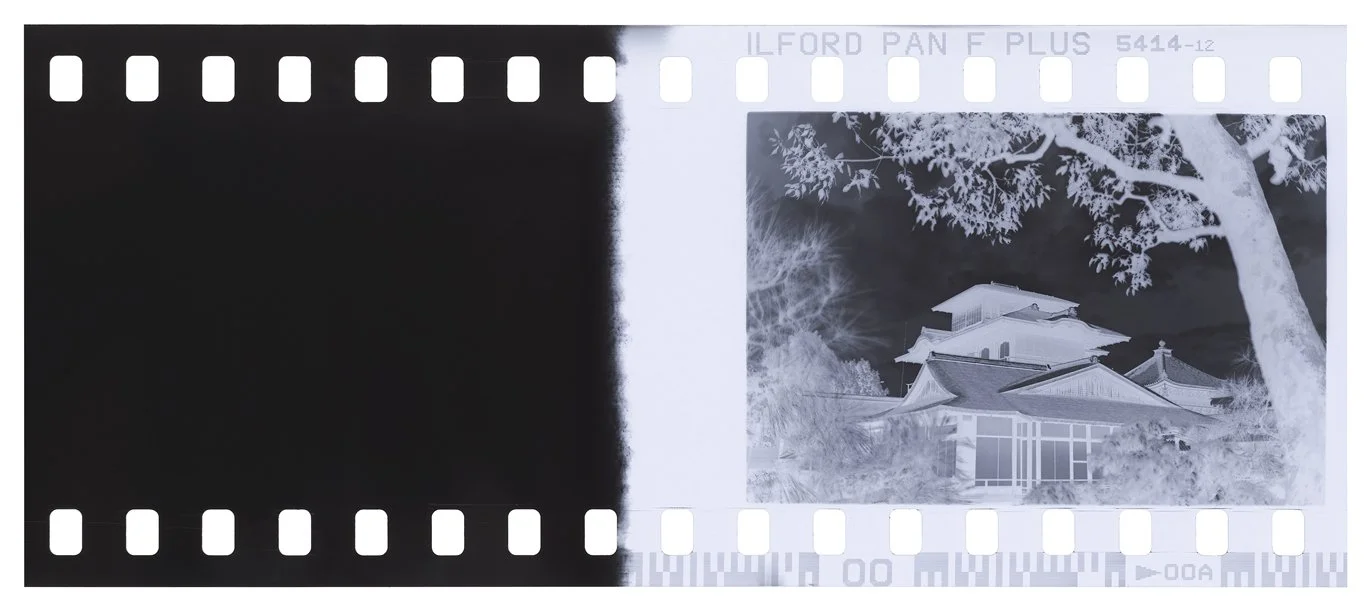
The film base of the negative provides an excellent reference point to judge exposure. Placing the negatives on a light table and photographing them with a digital camera and macro lens is the ideal way to digitize your negatives for the purpose of this workshop. If you do not have access to these tools at home, some film labs offer this service. The files can then be sent to me via a file transferring site such as WeTransfer.
Testimonial by Rocky Krosschell (USA)
Workshop Schedule
-
Upon receiving your workshop request, I will be in touch to confirm a suitable date and time for our first session. Once confirmed, I will email you an invoice for the workshop.
Prior to our first session, I will have you send me some of your recent works to better understand how you’re currently exposing your film.
-
The first session begins with a brief review of your recent exposures to identify areas for improvement and gather an understanding of your workflow before moving onto the following:
➤ Exposing for Negative vs Reversal Film
➤ Interpreting Film Characteristic Curves & Spectral Sensitivity
➤ Moving Beyond The Sunny 16 Rule
➤ Step by Step Walkthrough of the Calibration Process
Before the next session, you will perform a bracketed exposure test using the camera, lens and film of your choice to determine the ideal CSR exposure value.
-
The second session begins by reviewing the scans of your developed bracketed exposure test to determine the CSR best suited to your work.
➤ Interpreting a Scene
➤ Building Predictable Exposure Model Presets
➤ Reading Light: Average vs Spot Metering Concepts
➤ Managing Dynamics with Exposure & Development
At the end of this session, you will be tasked with certain exercises to refine your ability to select the appropriate Exposure Model Preset for any given scenario, as well as determining a suitable DRC value based on the dynamic range of a scene.
-
In the third and final session of the workshop, I will review your work completed between sessions, identify examples of under/over exposure and offer advice on how to rectify these errors before your next shoot.
➤ Image Editing / Toning Example
➤ Exposure Model Presets for Low Light
➤ Interpreting Negative Density: Exposure vs Development
➤ Applying the CSR Exposure Model to Future Projects
The final assignment of the workshop is a ‘one roll’ challenge based around a single subject or theme which requires you to expose the entire roll by eye, without assistance. Once developed and scanned, I will assess your work and give detailed feedback via email within 7 days of receiving the images.
-
Online Workshop: Exposing Film By Eye
550 USD
A comprehensive quote will be issued upon receiving your booking enquiry.